SHARE

9 Natural Ways to Manage Stress and Anxiety (Gentle, Everyday Practices That Actually Help)

January 22, 2026
Shanika | Orchids + Sweet Tea

DISCLAIMER: This post may contain affiliate links, which means that I make a small commission off items you purchase at no additional cost to you. Please read my policy page!

Discover 9 natural ways to manage stress and anxiety with gentle, everyday practices that support calm, balance, and nervous system regulation.

9 Natural Ways to Manage Stress and Anxiety (Gentle, Everyday Practices That Actually Help)

Feeling overwhelmed, anxious, or constantly on edge? This guide to 9 natural ways to manage stress and anxiety shares gentle, everyday practices that support calm without pressure or extremes. From nourishing routines and mindful movement to soothing rituals and emotional care, these holistic stress-relief strategies are designed to help you regulate your nervous system, feel more grounded, and build sustainable calm in real life.

A woman sitting in a chair with head back on a book covering face in stress.


Stress and anxiety don’t always show up loudly — sometimes they live quietly in your body, your thoughts, and your day-to-day rhythms. If you’ve been searching for natural ways to manage stress and anxiety that don’t feel overwhelming or unrealistic, you’re not alone. Managing anxiety isn’t about forcing calm or doing everything perfectly — it’s about creating gentle, supportive habits that help your body feel safe again. In this post, we’re sharing nine natural, everyday practices that actually help, offering simple ways to support your nervous system, reduce overwhelm, and invite more ease into your daily life.

The Rise of Chronic Stress and Burnout

Unlike short-term stress, which the body is designed to handle, chronic stress keeps the nervous system in a constant state of alert. Over time, this can show up as:

  • Persistent anxiety or restlessness
  • Difficulty sleeping or relaxing
  • Digestive issues or low energy
  • Emotional numbness or irritability
  • Feeling “tired but wired”

When stress becomes the norm instead of the exception, the body never fully resets — and burnout quietly builds.

Natural stress management practices focus on interrupting this cycle, helping the body move out of survival mode and back into a state of balance.

Jump to:

Why Natural Practices Support the Nervous System Long-Term

Natural approaches to anxiety relief work because they support regulation, not suppression. Instead of forcing calm or masking symptoms, they help the nervous system relearn safety over time.

Practices like mindful movement, breathwork, nourishing food, rest, and grounding rituals:

  • Signal safety to the body
  • Reduce overstimulation
  • Support hormonal and emotional balance
  • Build resilience gradually

This is why natural anxiety relief often feels subtle at first — but becomes more impactful with consistency. It’s not about instant relief; it’s about sustainable calm.

Gentle Habits vs. Quick Fixes

Quick fixes promise immediate relief — but they rarely address the root cause of stress and anxiety. They often:

  • Push the body harder instead of allowing rest
  • Create dependence instead of resilience
  • Ignore emotional and physical cues

Gentle, everyday habits work differently. They:

  • Fit into real life
  • Build trust between you and your body
  • Create safety through repetition
  • Support healing without pressure

Managing stress naturally isn’t about doing more — it’s about choosing practices that your nervous system can actually sustain.

Why This Approach Matters

When stress and anxiety are met with compassion instead of urgency, the body responds differently. Natural stress management:

  • Encourages long-term healing
  • Reduces fear around anxious feelings
  • Helps you feel more grounded in daily life

Calm isn’t something you force — it’s something you build.

Managing stress and anxiety naturally is less about eliminating discomfort and more about learning how to support yourself gently, one habit at a time.

A man completely stressed with hands on side of face with documents and pencils.

What “Natural” Stress and Anxiety Management Really Means

When people hear the phrase natural stress and anxiety management, it’s often misunderstood as “doing nothing” or simply trying to think positively. In reality, natural anxiety management is about working with the body instead of against it — creating habits that help your nervous system feel supported, safe, and regulated over time.

This approach isn’t passive. It’s intentional, embodied, and deeply practical.

Supporting the Body Instead of Forcing Calm

Stress and anxiety don’t disappear just because we tell ourselves to relax. In fact, forcing calm often backfires — making the body feel even more unsafe.

Natural stress relief focuses on:

  • Listening to the body’s signals
  • Responding with care instead of control
  • Creating environments that feel supportive

Practices like gentle movement, nourishing food, breathwork, rest, and grounding rituals send signals of safety to the nervous system — allowing calm to arise naturally instead of being demanded.

Regulation vs. Suppression

One of the most important distinctions in natural anxiety management is the difference between regulation and suppression.

  • Suppression looks like ignoring feelings, pushing through exhaustion, or numbing stress with distractions.
  • Regulation looks like noticing discomfort, slowing down, and using supportive tools to help the body settle.

Natural stress relief habits prioritize regulation — helping your nervous system move out of fight-or-flight and into a state of balance. This allows emotions to pass through rather than build up.

Over time, regulation builds resilience. Suppression builds tension.

Why Consistency Matters More Than Intensity

A common mistake in stress management is doing too much at once — long routines, extreme lifestyle changes, or unrealistic expectations. While well-intentioned, intensity often leads to burnout.

Natural anxiety management works best when:

  • Habits are small and repeatable
  • Practices fit into daily life
  • Progress is measured over weeks, not moments

A five-minute breathing exercise done daily will support your nervous system far more than a one-hour routine you only manage once.

Consistency builds trust. Trust builds calm.

What Natural Stress Relief Looks Like in Real Life

Rather than dramatic changes, natural stress management shows up as:

  • Gentle routines you return to daily
  • Intentional pauses throughout the day
  • Supportive choices that reduce overstimulation
  • Compassion when anxiety arises

These habits don’t eliminate stress completely — they help you move through it with more ease.

Why This Matters for Long-Term Wellness

When stress and anxiety are approached naturally, the body learns that it doesn’t need to stay in survival mode. Over time, this leads to:

  • Improved emotional regulation
  • Better sleep and energy
  • Increased sense of safety and grounding
  • More sustainable calm

Natural stress management isn’t about fixing yourself — it’s about supporting yourself.

Natural stress relief doesn’t ask you to become someone else — it simply invites you to care for yourself in a way your body understands.

A woman's feet standing on a cushion in the grass.

9 Natural Ways to Manage Stress and Anxiety

Create a Daily Grounding Routine

When stress and anxiety feel overwhelming, the nervous system is often craving one thing: safety. One of the most effective grounding techniques for anxiety is creating a simple daily routine that brings predictability and steadiness back into your day.

Grounding routines don’t need to be elaborate — they just need to be consistent.

Why Predictability Creates Safety for the Nervous System

An anxious nervous system is always scanning for what’s next. Uncertainty, constant changes, and overstimulation can keep the body stuck in fight-or-flight mode.

A grounding routine helps by:

  • Reducing decision fatigue
  • Creating a sense of structure
  • Signaling safety through repetition

When your body knows what to expect — even in small ways — it can begin to relax. This is why daily grounding practices are so effective for managing stress naturally.

Simple Morning or Evening Rituals That Actually Work

The goal of a grounding routine isn’t productivity — it’s regulation. Choose moments in the day where you can anchor yourself gently.

Simple morning grounding ideas:

  • Drinking a warm beverage (tea or coffee) without distractions
  • Stepping outside for fresh air or sunlight
  • Taking 3–5 slow, deep breaths before checking your phone
  • Stretching or moving your body gently

Simple evening grounding ideas:

  • Lighting a candle or dimming the lights
  • Journaling or reflecting on the day
  • Sipping a calming herbal tea
  • Turning off screens 30 minutes before bed

You don’t need to do all of these. One or two repeated daily is enough to support anxiety relief naturally.

Consistency Over Complexity

A grounding routine works best when it’s:

  • Easy to repeat
  • Flexible, not rigid
  • Supportive instead of demanding

A five-minute ritual done every day is far more regulating than an hour-long routine you rarely return to. Over time, these small practices build trust between you and your body — which is essential for long-term stress management.

How Grounding Routines Reduce Anxiety Over Time

When practiced consistently, grounding routines:

  • Help regulate the nervous system
  • Reduce emotional reactivity
  • Increase feelings of stability and calm
  • Make stress feel more manageable

They don’t remove stress completely — but they help you move through it with more ease.

Grounding isn’t about controlling anxiety — it’s about creating enough safety for calm to return on its own.

Two people eating food at a table.

Support Your Body With Nourishing Foods

What you eat directly impacts how your nervous system functions. Skipping meals, restrictive eating, or relying heavily on processed foods can worsen anxiety by destabilizing blood sugar and increasing stress hormones.

Supporting your body with regular, nourishing meals helps:

  • Stabilize mood and energy
  • Reduce irritability and anxiety spikes
  • Create a sense of physical safety

Think balance over perfection: protein, healthy fats, fiber, and comforting foods that leave you satisfied — not depleted.

Limit Overstimulation (Especially Digital Overload)

Constant notifications, news cycles, and social media keep the nervous system in a heightened state of alert. Even when you’re resting physically, your brain may still be in overdrive.

Reducing overstimulation helps by:

  • Giving your nervous system time to settle
  • Improving focus and emotional clarity
  • Lowering baseline anxiety

Start small — fewer notifications, intentional scrolling windows, or screen-free moments before bed.

A woman on a machine doing palates.

Move Your Body Gently (Not Punishingly)

Movement is one of the most effective ways to release built-up stress — but it doesn’t need to be intense to work.

Gentle movement:

  • Releases stress hormones
  • Improves circulation and mood
  • Signals safety to the nervous system

Walking, stretching, palates, or light strength work all count. The goal is connection, not punishment.

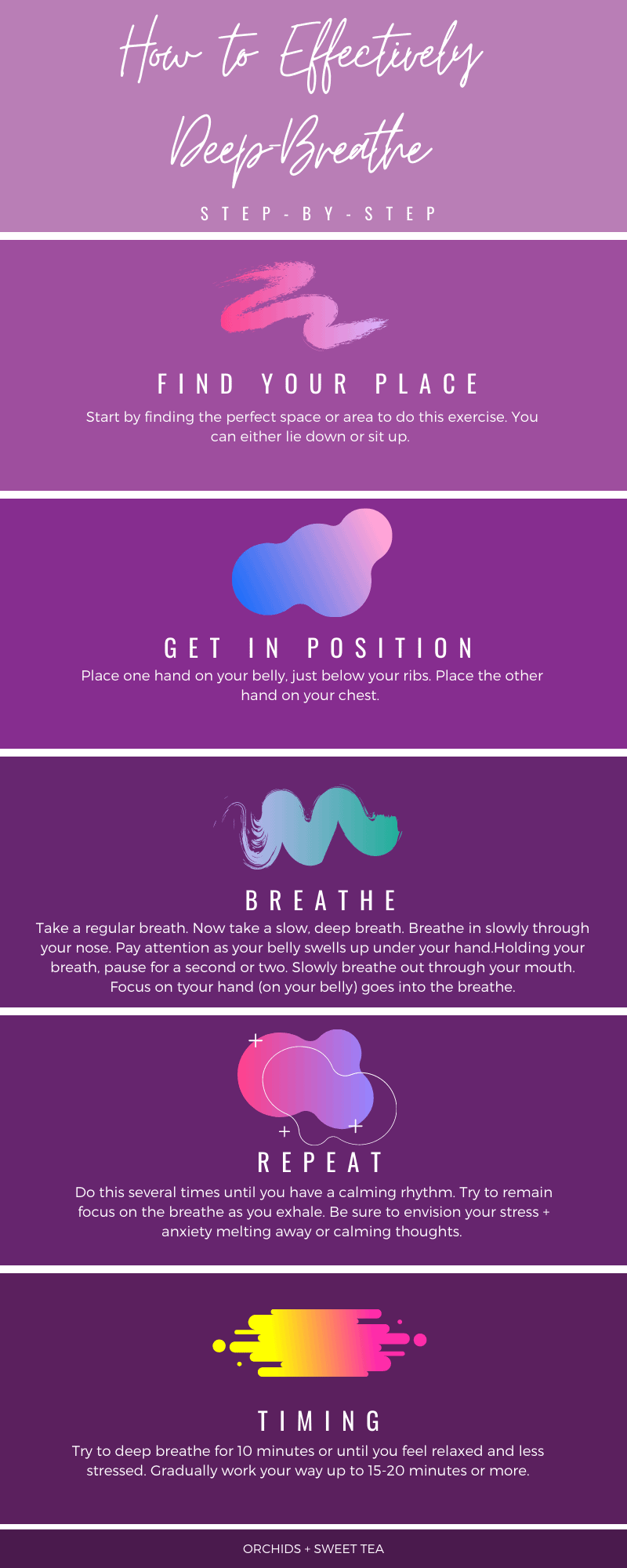
Practice Deep Breathing or Nervous System Reset Techniques

Your breath is one of the fastest ways to communicate safety to your body. Slow, intentional breathing activates the parasympathetic nervous system — the body’s “rest and restore” mode.

Even a few minutes of deep breathing can:

  • Lower heart rate
  • Reduce anxious thoughts
  • Ground you in the present moment

This makes breathwork one of the most accessible natural anxiety relief tools available.

Drink Calming Herbal Teas

Herbal tea supports anxiety relief on both a physical and emotional level. Certain herbs help calm the nervous system, while the ritual of tea itself encourages slowing down.

Calming teas can:

  • Support relaxation and digestion
  • Reduce evening anxiety
  • Create a soothing daily ritual

Tea works best when paired with intention — not urgency.

A woman in bed waking up from sleep.

Prioritize Rest and Sleep Hygiene

Chronic stress and anxiety are closely tied to poor rest. Without enough sleep, the nervous system becomes more reactive and less resilient.

Supporting rest includes:

  • Consistent sleep and wake times
  • A calming evening routine
  • Reducing stimulation before bed

Rest isn’t optional — it’s foundational for emotional regulation.

Reduce Caffeine and Sugar Intentionally

Caffeine and sugar can heighten anxiety by overstimulating the nervous system and causing energy crashes.

You don’t need to eliminate them entirely — but intentional reduction can:

  • Lower baseline anxiety
  • Improve sleep quality
  • Reduce jitters and racing thoughts

Small swaps and mindful timing often make a big difference.

Practice Emotional Release and Self-Compassion

Unprocessed emotions often live in the body as anxiety. Creating space to release feelings — instead of pushing them down — is a powerful form of natural stress relief.

Emotional release might include:

  • Journaling or reflection
  • Prayer or meditation
  • Creative expression
  • Talking things out safely

Pairing emotional honesty with self-compassion helps anxiety soften over time.

Managing stress and anxiety naturally isn’t about fixing yourself — it’s about supporting yourself with practices that your body can trust.

A skeleton hand holding up a sticky note that says help.

Common Mistakes to Avoid When Managing Stress and Anxiety Naturally

Choosing to manage stress and anxiety naturally is a powerful step — but it’s also one that’s often misunderstood. Many people don’t struggle because natural approaches don’t work, but because of a few common anxiety management mistakes that quietly undermine progress.

Awareness is key. Here’s what to watch for — and how to approach healing with more grace.

Expecting Instant Relief

One of the most common mistakes in natural anxiety management is expecting calm to arrive immediately. In a culture used to quick fixes, it’s easy to feel discouraged when gentle practices don’t “work” right away.

But natural stress relief is cumulative, not instant.

When you expect immediate results:

  • You may abandon practices too soon
  • You may feel like you’re “failing” at healing
  • You may miss subtle but meaningful shifts

Natural methods support the nervous system gradually — often improving sleep, emotional regulation, and resilience before anxiety noticeably decreases.

Progress often looks like shorter anxiety episodes, faster recovery, or more moments of calm — not total absence of stress.

Doing Too Much at Once

Another common mistake is trying to change everything all at once — new routines, new diets, new practices, all at full intensity. While well-intentioned, this approach can overwhelm the nervous system even more.

Doing too much can:

  • Increase pressure and self-criticism
  • Turn healing into another to-do list
  • Trigger burnout instead of calm

Natural stress management works best when you:

  • Choose one or two practices to start
  • Build slowly and consistently
  • Let habits layer over time

Small, repeatable steps are far more regulating than big, unsustainable ones.

Comparing Your Healing Journey to Others

Comparison is one of the most damaging — and most common — anxiety management mistakes, especially in the age of social media.

When you compare:

  • You may minimize your own progress
  • You may feel behind or “broken”
  • You may adopt practices that don’t suit your body or season

Healing is deeply personal. What calms one nervous system may not calm another — and that doesn’t mean anything is wrong with you.

Your journey is not late. It’s not wrong. It’s yours.

Why Avoiding These Mistakes Matters

When you release unrealistic expectations, reduce pressure, and stop comparing, natural stress management becomes:

  • More sustainable
  • More compassionate
  • More effective long-term

Anxiety softens when it’s met with patience instead of urgency.

Managing stress and anxiety naturally isn’t about doing it perfectly — it’s about staying present, gentle, and committed to yourself along the way.

A man trying to catch boxes that are falling over with labels like stress, anxiety, etc.

Stress and Anxiety FAQs

Can natural methods really help manage stress and anxiety?

Yes — natural stress and anxiety management can be very effective, especially when practiced consistently. Gentle habits like grounding routines, mindful movement, nourishing food, breathwork, and rest help regulate the nervous system over time.

Natural methods may not eliminate stress completely, but they can:
Reduce intensity and frequency of anxious moments
Improve emotional regulation
Build resilience and calm over time

Think of them as supportive tools, not quick fixes.

How long does it take to feel relief from natural anxiety practices?

This varies from person to person. Some people notice subtle shifts — like better sleep or less reactivity — within days, while deeper changes may take weeks.

What matters most is:
Consistency over intensity
Choosing practices that fit your real life
Allowing progress to be gradual

Often, relief shows up as shorter anxiety episodes or faster recovery, not instant calm.

What if my anxiety feels severe or overwhelming?

Natural practices can be incredibly supportive, but they are not a replacement for professional care. If anxiety feels unmanageable, persistent, or interferes with daily life, reaching out to a licensed therapist or healthcare provider is a wise and caring step.

You can use natural methods alongside professional support — the two often work best together.

Do I need to do all 9 techniques to see results?

Not at all. In fact, trying to do everything at once can increase stress.

Most people benefit from:
Choosing 1–2 practices to start
Letting them become part of a daily rhythm
Adding more only if and when it feels supportive

Small, consistent steps are far more effective than doing everything perfectly.

Is stress and anxiety management the same for everyone?

No — and that’s important to remember. Stress and anxiety are deeply personal experiences shaped by:
Life circumstances
Past experiences
Physical health
Emotional needs

What helps one person may not help another. The goal is to discover what supports your body, not follow a one-size-fits-all approach.

Can food and lifestyle habits really affect anxiety?

Yes. Nutrition, sleep, movement, and daily rhythms all play a role in how the nervous system functions. Irregular meals, poor sleep, overstimulation, and chronic exhaustion can intensify anxiety.

Supporting the body physically often makes emotional regulation feel more possible.

What if I try natural methods and still feel anxious?

Feeling anxious doesn’t mean you’re failing. Anxiety often softens in layers, not all at once.

If you’re still experiencing anxiety:
Check if you’re expecting too much too soon
Reduce pressure and simplify your approach
Consider adding professional or community support

Healing is not linear — and needing help is not a setback.

Can I practice natural stress relief while still living a busy life?

Absolutely. These practices are meant to fit into real life, not replace it.

Even:
5 minutes of deep breathing
A short walk
A calming evening routine

can make a meaningful difference when done consistently.

Managing stress and anxiety naturally isn’t about becoming calm all the time — it’s about learning how to support yourself when life feels heavy.

A group of people cheering with a glass.

Things to Keep Handy For Managing Stress + Anxiety

After mentioning gentle wellness habits:

If you’re looking for simple, nourishing ways to support your body, these calming practices pair beautifully with soothing herbal teas and comforting, stress-supportive recipes already shared here on Orchids + Sweet Tea.

Support Your Body With Nourishing Foods

Nourishing your body with balanced, comforting meals can help stabilize energy and mood, making anxiety feel more manageable throughout the day.

Limit Overstimulation (Especially Digital Overload)

Creating moments of quiet — especially around meals or evening routines — can help the nervous system reset more easily.

Drink Calming Herbal Teas

Calming herbal teas can become a powerful daily ritual for anxiety relief when enjoyed intentionally and consistently.

Reduce Caffeine and Sugar Intentionally

Swapping highly stimulating drinks for gentler alternatives can make a noticeable difference in anxiety levels.

Practice Emotional Release and Self-Compassion

Emotional release can look like journaling, prayer, reflection, or simply creating space to slow down and process what you’re carrying.

If you’re looking for more gentle ways to support your nervous system, explore the calming herbal teas, nourishing recipes, and wellness guides here on Orchids + Sweet Tea — all created to help you slow down, feel supported, and build sustainable calm in everyday life.

Xx, Shanika in script writing

Love this Post? SHARE!

LOVE THIS RECIPE?
LET US KNOW!

Your email address will not be published. Required fields are marked *