





Vegan Gochujang Cauliflower Street Tacos
DISCLAIMER: This post may contain affiliate links, which means that I make a small commission off items you purchase at no additional cost to you. Please read my policy page!
Vegan Gochujang Cauliflower Street Tacos
These Vegan Gochujang Cauliflower Street Tacos are loaded with tender roasted cauliflower coated in a sweet, savory, spicy gochujang sauce, seasoned roasted corn, fresh pineapple salsa, guacamole, pico de gallo, roasted jalapeños, and a creamy green goddess sauce. Every bite has the perfect combination of spicy, sweet, smoky, creamy, tangy, and fresh flavors wrapped inside warm flour or corn tortillas. Gluten-free, Air-fryer, + Make Ahead Options!

Cauliflower Tacos That Are Anything But Boring
Tacos are my life. And if there's one thing cauliflower does incredibly well, it's soak up flavor—and we're definitely taking advantage of that here. Instead of simply roasting the florets with a few spices, we're coating them in gochujang sauce for a bold combination of savory, sweet, tangy, and spicy flavor. Roasting everything gives the cauliflower tender centers with beautifully caramelized edges. If you're looking for another dish that holds the same flavors---I recommend this Gochujang Sweet Potato + Chickpea Bowl.
Then we're building these tacos with layers. Seasoned roasted corn brings sweetness and smokiness, pineapple salsa adds juicy freshness, guacamole gives us creaminess, and pico de gallo and fresh herbs brighten everything up. And because apparently that wasn't enough, we're finishing the tacos with creamy green goddess sauce and fresh lime. This Roasted Cauliflower Green Goddess Salad is epic and a must try!
What I especially love about these Gochujang Cauliflower Street Tacos is that they don't try to imitate traditional meat tacos. The vegetables get to be the star. You get contrasting textures and big flavor in every bite, making this the kind of plant-based dinner that even serious taco lovers can get excited about.
Perfect for Taco Tuesday, weeknight dinners, or your next meatless meal, these vegan cauliflower tacos turn simple roasted vegetables into seriously flavor-packed street tacos. Serve them as written or build your own taco bar with all your favorite toppings for an easy plant-based dinner everyone can customize.
Jump to:
- Cauliflower Tacos That Are Anything But Boring
- Why You'll Love These Gochujang Cauliflower Tacos
- What is Gochujang?
- How to Make These Tacos More Protein-Packed
- How to Make Gochujang Cauliflower Tacos
- Ingredients
- Tips for the Best Cauliflower Tacos
- Best Toppings for Gochujang Cauliflower Tacos
- What to Serve With Cauliflower Street Tacos
- Easy Variations
- Common Q + A's for Vegan Gochujang Cauliflower Street Tacos
- Other Delicious Taco Recipes You’ll Love!
- MADE OUR RECIPE(S)?
- Vegan Gochujang Cauliflower Street Tacos
Why You'll Love These Gochujang Cauliflower Tacos
- BIG Flavor. Gochujang brings spicy, savory, fermented, and subtly sweet flavor to otherwise mild cauliflower.
- Completely Plant-Based. These tacos prove a meatless dinner doesn't have to sacrifice flavor or satisfaction.
- Sweet + Spicy Perfection. Spicy gochujang and jalapeños contrast beautifully with sweet corn and juicy pineapple salsa.
- Loaded With Fresh Toppings. Guacamole, pico de gallo, cilantro, lime, and green goddess sauce create tons of freshness and texture.
- Easy to Customize. Think of this recipe as a starting point. Choose your tortilla, toppings, heat level, sauce, and whether you want to add rice or another protein.
- Perfect for Taco Night. Set out the cauliflower and toppings separately and let everyone build their own tacos.
- Great Texture. Tender roasted cauliflower, juicy salsa, creamy avocado, crisp corn, and soft tortillas give you plenty of contrast.
- Naturally Easy to Make Gluten-Free. Choose corn tortillas and verify that your gochujang sauce and other packaged ingredients are gluten-free.
What is Gochujang?
While I rarely adapt foods outside of my Southern or Jamaican roots, I truly love Spicy Gochujang sauce (along with a few other cultural foods), therefore, I wanted to highlight this special sauce which is a part of the Korean culture.
Gochujang is an ingredient in Korean cooking that consists of a thick, spicy-sweet crimson red paste that is made from red chile pepper flakes and other ingredients.
According to an article via Bon Appetit, Gochujang is fermented over years in a pot kept outdoors, which causes the starches in the glutinous rice (one of the ingredients it’s made from) to convert into sugar, which gives this paste it’s sweetness. Using Gochujang is best done when applying it to rich meats as a marinade or along with other ingredients to create a nice sauce. It’s highly recommended not to be eaten on it’s own since it’s taste can be pretty aggressive.
How to Make These Tacos More Protein-Packed
Cauliflower makes an incredible taco filling, but it isn't particularly protein-dense. If you want to turn these into a more protein-forward vegan dinner, it's easy to bulk them up.
Crispy Tofu
Tofu is probably my favorite addition because its mild flavor pairs beautifully with gochujang.
Roast or pan-fry it until crispy and toss it with a little additional gochujang sauce.
Edamame
Shelled edamame adds plant-based protein and a beautiful pop of green without competing with the other flavors.
Black Beans
Black beans aren't Korean-inspired, but they fit naturally into the taco format and make the meal heartier.
Chickpeas
Try roasted chickpeas for another layer of crunch or simply add seasoned chickpeas directly to the tacos.
Tempeh
Crispy tempeh is another substantial plant-based protein that stands up well to bold sauces.
Quinoa
Use quinoa instead of—or alongside—the cilantro lime rice for a whole-grain option that contributes additional protein.

How to Make Gochujang Cauliflower Tacos
Toss the cauliflower florets with gochujang sauce and olive oil, then roast until tender with caramelized edges. Season the corn with olive oil and spices and roast until golden.
Warm your tortillas, then fill each one with the gochujang cauliflower and roasted corn. Add pineapple salsa, pico de gallo, guacamole, roasted jalapeños, fresh herbs, and a generous drizzle of green goddess sauce. Finish with fresh lime and serve immediately.
Ingredients
- Cauliflower. Cauliflower is the star of these vegan street tacos. Its relatively mild flavor means it readily takes on bold sauces and seasonings. Cut the head into similar-sized florets so everything roasts evenly.
- Gochujang Sauce. Gochujang sauce gives the cauliflower its signature flavor. Gochujang itself is a Korean fermented red chile paste known for its combination of spicy, savory, slightly sweet, and umami-rich flavors. Here, a prepared gochujang sauce coats the cauliflower before roasting. Use less sauce for a lighter coating or more when you want extra-saucy cauliflower. NOTE: If keeping these tacos strictly vegan or gluten-free, check the ingredients in your particular gochujang or prepared sauce since formulations vary.
- Extra Virgin Olive Oil. A little olive oil encourages browning and caramelization while the cauliflower roasts.
- Sweet Corn. White or yellow sweet corn works beautifully. Its natural sweetness provides a particularly good contrast against spicy gochujang. Fresh or frozen kernels can work depending on what you have available.
- Seasonings. The corn gets plenty of flavor from sea salt, black pepper, smoked paprika, garlic powder, dried parsley, and oregano. Smoked paprika is particularly good here because it adds subtle smokiness that complements the roasted vegetables.
- Street Taco Tortillas. Use your favorite flour or corn street taco tortillas. Corn tortillas are an excellent choice for a more pronounced corn flavor and can make the tacos gluten-free when using certified gluten-free ingredients.
- Cilantro Lime Rice. Optional cilantro lime rice makes these tacos extra hearty and can help turn them into a more substantial meal.
- Fresh Pineapple Salsa. This is one of my favorite parts! Pineapple's juicy sweetness and acidity provide the perfect contrast to the spicy, savory gochujang.
- Roasted Jalapeños. Roasting jalapeños mellows some of their raw bite while adding smoky chile flavor. Adjust the amount depending on how spicy you want your tacos.
- Pico de Gallo. Tomatoes, onion, chile, herbs, and lime bring plenty of freshness to balance the richer toppings.
- Guacamole. Creamy avocado is especially helpful in spicy tacos because its richness balances the heat.
- Fresh Cilantro or Parsley. Fresh herbs add color and brightness right before serving.
- Lime. Don't underestimate that final squeeze of lime! The acidity helps bring all the sweet, spicy, creamy, and savory flavors together.
- Green Goddess Sauce. Creamy green goddess sauce creates a cooling contrast to the spicy cauliflower while adding another layer of fresh herb flavor. For vegan tacos, use a vegan green goddess dressing made without dairy, eggs, or other animal-derived ingredients.

Tips for the Best Cauliflower Tacos
Cut the Cauliflower Into Similar Pieces
Uniform florets cook more evenly. If some pieces are tiny and others are huge, you'll end up with burnt bits alongside undercooked cauliflower.
Don't Crowd the Baking Sheet
Give your cauliflower some breathing room.
Crowding traps steam, which gives you soft cauliflower instead of beautifully roasted, caramelized edges. Use two baking sheets if necessary.
Use High Enough Heat
Cauliflower benefits from a hot oven. You want roasting and caramelization—not slow steaming.
Don't Drown the Cauliflower Before Roasting
You want plenty of gochujang flavor, but an excessive amount of wet sauce can interfere with browning.
For really saucy tacos, roast the cauliflower with enough sauce to coat it and toss with additional warmed sauce after roasting.
Taste Your Gochujang Sauce First
Different gochujang sauces vary in sweetness, saltiness, and spice level. Taste yours before deciding how much to use.
Warm the Tortillas
Warm tortillas are softer, more flavorful, and less likely to crack.
Heat them briefly in a dry skillet, over a gas flame when appropriate, or wrapped together in the oven.
Balance the Heat
If your gochujang is particularly spicy, use fewer jalapeños and lean into cooling toppings like guacamole and green goddess sauce.
Add Wet Toppings Right Before Eating
Pineapple salsa, pico de gallo, guacamole, and dressing can make tortillas soggy when they sit too long.
Build these tacos immediately before serving for the best texture.
Best Toppings for Gochujang Cauliflower Tacos
You definitely don't need every topping at once. Pick a few that give you a combination of creamy + fresh + crunchy + acidic.
Some of my favorites include:
- Fresh pineapple salsa
- Pico de gallo
- Guacamole
- Sliced avocado
- Roasted jalapeños
- Fresh cilantro
- Chopped scallions
- Shredded cabbage
- Pickled red onions
- Quick-pickled cucumbers
- Radishes
- Sesame seeds
- Roasted corn
- Fresh lime
- Vegan green goddess sauce
- Vegan spicy mayo
- Extra gochujang sauce
My Favorite Combination
For the ultimate taco, I'd go with:
Gochujang cauliflower + roasted corn + pineapple salsa + guacamole + cilantro + green goddess drizzle + fresh lime.
That gives you spicy, sweet, smoky, creamy, herbaceous, and acidic flavors without overcrowding the tortilla.

What to Serve With Cauliflower Street Tacos
These tacos can easily be a complete meal, especially if you're adding rice, but a few sides can turn taco night into a full spread.
Cilantro Lime Rice: A natural pairing and an easy way to make the meal more substantial.
Coconut Rice: The subtle sweetness of coconut works especially well with spicy gochujang + pineapple salsa.
Black Beans: Keep things simple with seasoned black beans on the side. This Black Bean Salsa is great!
Mexican-Inspired Street Corn: If you love corn, serve additional roasted corn as a side with lime and vegan-friendly toppings.
Cucumber Salad: A crisp cucumber salad provides a refreshing contrast to the spicy cauliflower.
Asian-Inspired Slaw: Shredded cabbage, carrots, scallions, and a tangy sesame-style dressing would play beautifully with the gochujang. This Creamy Coleslaw is a nice option too!
Chips + Salsa: You can never really go wrong with tortilla chips, fresh salsa, and guacamole on taco night.
Easy Variations
- Gochujang Cauliflower Taco Bowls: Skip the tortillas and build bowls with cilantro lime rice, gochujang cauliflower, roasted corn, pineapple salsa, avocado, and green goddess sauce.
- Gochujang Cauliflower Burritos: Use larger flour tortillas and add rice, beans, avocado, corn, and cauliflower before rolling everything into a hearty burrito.
- Crispy Gochujang Cauliflower Tacos: For even more texture, lightly bread the cauliflower before roasting or air frying, then toss it in gochujang sauce.
- Gochujang Tofu + Cauliflower Tacos: Use half cauliflower and half crispy tofu for a more protein-forward variation.
- Pineapple Gochujang Tacos: Roast or grill additional pineapple and tuck it directly into the tacos for even more sweet-and-spicy contrast.
- Extra-Spicy Tacos: Add sliced jalapeños, extra gochujang, crushed red pepper, or vegan spicy mayo.
- Mild Cauliflower Tacos: Use a milder gochujang sauce and skip the jalapeños. Add plenty of guacamole and creamy green goddess sauce to further mellow the heat.
Common Q + A's for Vegan Gochujang Cauliflower Street Tacos
Gochujang is a Korean fermented red chile paste with a distinctive spicy, savory, slightly sweet, and umami-rich flavor. It's traditionally made with ingredients including red chile powder, fermented soybean, and rice. Ingredients can vary by brand, so always check the label for specific dietary needs.
They can be! The spice level depends largely on your gochujang sauce and the amount of roasted jalapeño you add. For milder tacos, use less gochujang sauce and skip the jalapeños. Guacamole and creamy green goddess sauce can also help balance the heat.
Many gochujang products are vegan, but formulations vary. If you're keeping these tacos strictly plant-based, check the ingredient label on your gochujang or prepared gochujang sauce before using.
They can easily be made gluten-free. Use gluten-free corn tortillas and choose a certified gluten-free gochujang or gochujang sauce. Also check any prepared dressings and other packaged toppings for gluten-containing ingredients.
Absolutely! Cook the gochujang-coated cauliflower in the air fryer until tender with crispy, caramelized edges, working in batches if necessary so you don't overcrowd the basket. Exact cooking time will depend on your air fryer and the size of the florets.
Avoid overcrowding your baking sheet and don't use so much sauce that the cauliflower is swimming in it. Give the florets room to roast rather than steam. For extra-saucy cauliflower, roast it with a lighter coating and toss it with additional gochujang sauce afterward.
Yes, although fresh cauliflower generally gives you the best caramelization. Frozen cauliflower contains additional moisture, so the finished texture may be softer. Roast it from frozen and give the florets plenty of space on the baking sheet.
Both corn and flour street taco tortillas work beautifully. Corn tortillas bring a stronger corn flavor and can be a good gluten-free option, while flour tortillas tend to be softer and more flexible.
Add crispy tofu, tempeh, edamame, black beans, chickpeas, or quinoa. Gochujang-glazed tofu is especially delicious alongside the roasted cauliflower.
Yes, but store the components separately. Prepare the cauliflower, roasted corn, salsa, and sauces ahead, then reheat the cauliflower and corn and assemble the tacos just before serving. This prevents the tortillas from becoming soggy.
Store the roasted gochujang cauliflower and corn in separate airtight containers in the refrigerator for about 3–4 days for best quality. Keep fresh toppings and tortillas separate, then reheat and assemble when you're ready to eat.
Other Delicious Taco Recipes You’ll Love!
If you are a fan of my Vegan Gochujang Cauliflower Street Tacos, you will also love these other tacos also!
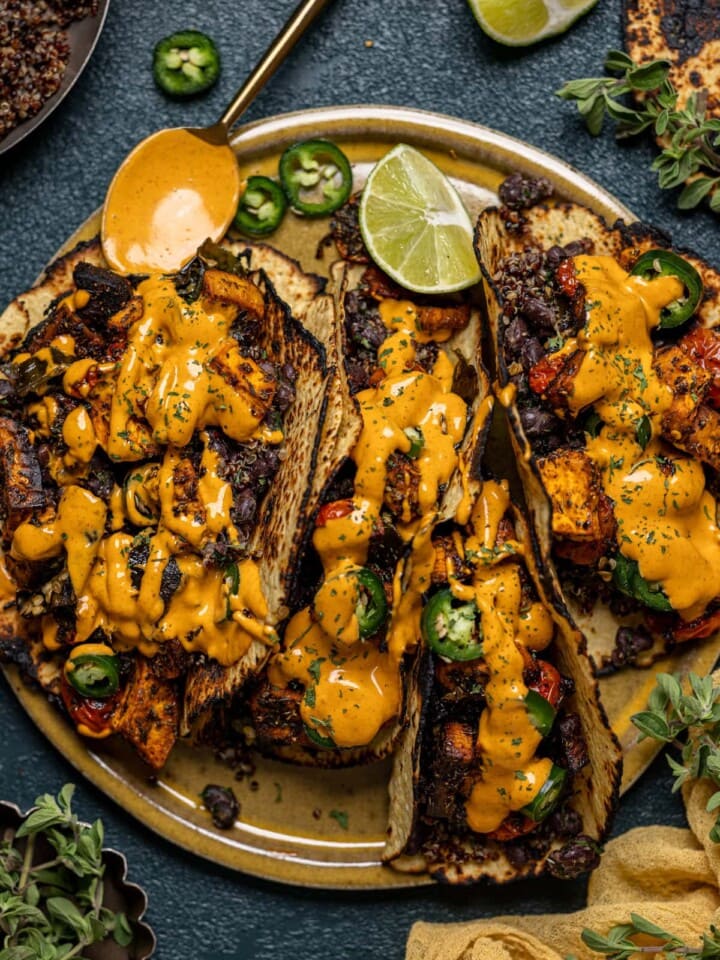
- Summer Vegan Tacos
- Jerk Salmon Tacos + Avocado Cilantro Lime Sauce
- Vegan Jamaican Jerk Walnut Tacos
- Easy Vegan Black Bean Tacos
- Chipotle BBQ Butternut Squash Tacos
- BBQ Cauliflower Tacos
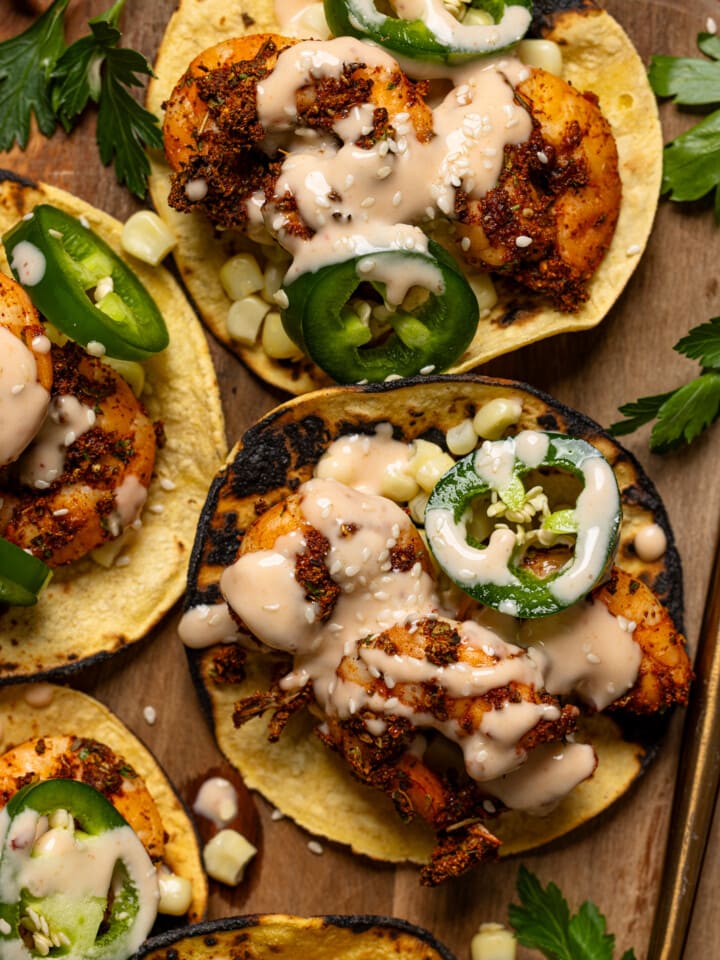
- Gochujang Shrimp Tacos
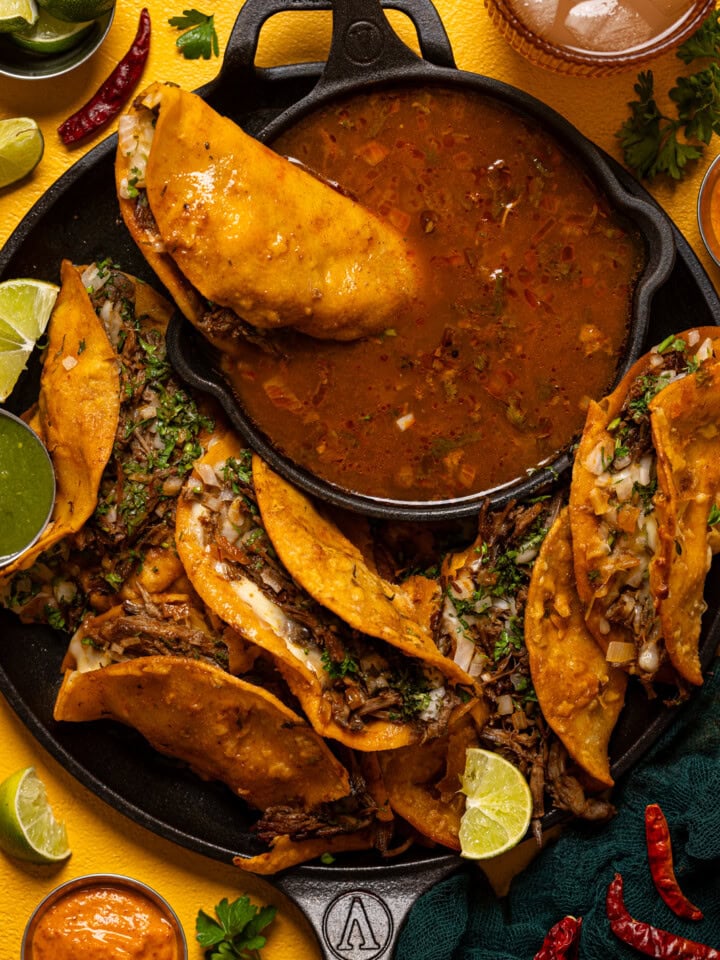
- Meatless Birria Tacos with Jackfruit
- Crispy BBQ Pinto Bean Tacos
- BBQ Braised Rib Street Tacos
- Epic Baja Fish Tacos
- Tacos Al Pastor with Ground Turkey
- 7 Layer Taco Salad
- Classic Vegan Ground Beef Tacos with Hard Shells

MADE OUR RECIPE(S)?
If you tried my Vegan Gochujang Cauliflower Street Tacos or any other recipe on my website, please leave a 🌟 star rating and let me know how you go in the 📝 comments below. And don't forget to tag me @shanikagrahamwhite on Instagram. I love hearing from you!

Vegan Gochujang Cauliflower Street Tacos
Ingredients
ROASTED GOCHUJANG CAULIFLOWER:
- 1 head organic cauliflower, cut into florets
- 1-2 cups Gochujang Sauce (Use as much or little as desired sauciness)
- 1 tablespoon Extra virgin olive oil
ROASTED CORN:
- 2 cups sweet corn kernels, white or yellow
- 2 Tbsps Extra virgin olive oil
- ½ teaspoon sea salt
- ½ teaspoon black pepper
- ½ teaspoon smoked paprika
- ½ teaspoon garlic powder
- ½ teaspoon dried parsley
- ½ teaspoon dried oregano
TACOS:
- 8 street tacos, flour or corn (You can make your own tortillas)cilantro lime rice, optional (See Notes!)
- 1 cup Fresh Pineapple Salsa
- Roasted jalapeños
- Pico de gallo (You can use store-bought or make your own Fresh Pico de Gallo)
- Guacamole (You can use store-bought or make your own Guacamole)
- Chopped fresh parsley or cilantro
- Lime wedges
- 1 cup Green goddess dressing/sauce
Instructions
TO MAKE THE ROASTED CORN:
- Begin by preheating the oven to 400 degrees Fahrenheit and prepare two separate baking sheets by lining them with parchment paper or non-stick foil paper. NOTE: If you're choosing to add roasted jalapenos, follow the same steps to roast them!
- On one prepared baking sheet, add the corn, coating them with olive oil, salt, black pepper, smoked paprika, garlic powder, parsley, and oregano, massaging them a bit with your hands (or stirring with a spoon) to coat them well.
TO MAKE THE ROASTED GOCHUJANG CAULIFLOWER:
- In a bowl, add the cauliflower florets, olive oil, and Gochujang sauce, mixing everything together until cauliflower are coated.
- Add coated cauliflower onto the other prepared baking sheet.
- Add both baking sheets to the preheated oven and let everything roast for 20-25 minutes or until veggies are charred and golden and the sauce for the cauliflower is nicely "baked on". Remove from oven and let cool slightly.
CHAR OR WARM TORTILLAS:
- To lightly toast taco tortillas, preheat oven on 350 degrees Fahrenheit and place tortillas directly on rack. Turn off oven once heated and let tortillas warm for 2 minutes. Remove from oven. For char on a stovetop: pop one of the tortillas unto a gas burner until you begin to see a little smoke. Remove tortilla to rotate it onto opposite side until it’s lightly charred. Repeat until all tortillas are charred.
TO MAKE THE GREEN GODDESS DRESSING/SAUCE:
- Be sure to follow my Homemade Green Goddess Dressing for the steps on making this delicious dressing/sauce.
TACO ASSEMBLY:
- To assemble tacos, add a few spoonfuls of roasted Gochujang cauliflower atop a charred tortilla followed by: the roasted corn and jalapeños (if using), and your choice of toppings like pico de gallo, guacamole, fresh pineapple salsa, chopped cilantro or parsley, lime wedges, etc. Repeat until desired amount of tacos are made. Drizzle with Green Goddess Dressing/Sauce or any of your favorite sauces.
- Bon Appetit!
Tips & Tricks
- STORAGE: Place any leftover ingredients in a tightly sealed container in the refrigerator for up to 3-4 days.
- MAKE AHEAD + OTHER OPTIONS: See FAQ section for deets!
- OPTIONAL TOPPINGS: See post for other great taco topping options!
Nutrition
DID YOU MAKE THIS recipe?
Tag @orchidsnsweettea_ on Instagram and hashtag it #orchidsandsweettea

LOVE THIS RECIPE?
LET US KNOW!