SHARE

Veganuary Made Simple: Beginner Tips, Easy Meals & How Anyone Can Participate

January 20, 2026
Shanika | Orchids + Sweet Tea

DISCLAIMER: This post may contain affiliate links, which means that I make a small commission off items you purchase at no additional cost to you. Please read my policy page!

New to Veganuary? Discover easy ways to go plant-based in January with beginner tips, simple meals, and realistic vegan swaps anyone can do.

Veganuary Made Simple: Beginner Tips, Easy Meals & How Anyone Can Participate

Veganuary made simple for real life. Learn what Veganuary is, why people participate, and how anyone can join the January vegan challenge with easy tips, meal ideas, and beginner-friendly guidance. This approachable Veganuary guide breaks down plant-based eating without pressure — helping you explore vegan meals in a way that feels nourishing, flexible, and sustainable.

A bunch of French fries on three forks in front of a yellow background.

January often arrives with a desire to reset — not with restriction, but with intention. If you’ve heard of Veganuary and wondered what it really involves, you’re not alone. Veganuary is a global movement that invites people to try plant-based eating for the month of January, offering a simple way to explore vegan meals without committing to a permanent lifestyle change.

Whether you’re vegan-curious, looking to add more plant-forward meals to your routine, or just searching for comforting, nourishing food after the holidays, Veganuary is designed to meet you where you are. There are no rigid rules, no perfection required — just an invitation to experiment, learn, and discover what plant-based eating can look like in everyday life. Think, my Spicy Vegan Chili, Vegan BBQ Meatballs + Creamy Polenta, Vegan Quinoa Fried Rice, or Fluffy Banana Oat Pancakes [Vegan] for a bit of comfort + nourishment to start things off!

In this guide, we’ll walk through what Veganuary is, why so many people participate, and how anyone — regardless of experience — can join successfully. You’ll also find practical tips, realistic meal inspiration, common mistakes to avoid, and answers to the most frequently asked Veganuary questions — all designed to help you feel confident, supported, and inspired throughout the month.

Jump to:

What Is Veganuary?

Veganuary is a global movement (started in the UK) and 31-day vegan challenge that takes place every January, encouraging people to try a plant-based diet for the month. Launched in 2014, Veganuary has grown into an international nonprofit that supports millions of participants each year as they explore vegan eating in a realistic, accessible way.

At its core, Veganuary isn’t about perfection — it’s about participation. Whether you go fully vegan for the entire month or simply reduce your intake of animal products, Veganuary invites you to be curious, intentional, and open to trying something new.

Many people join Veganuary as a fresh start for the new year, using January as a reset after the holidays. Others are motivated by health goals, ethical concerns, environmental impact, or simply a desire to diversify their meals with more fruits, vegetables, legumes, and whole foods.

SHOP MY FAVORITE TOOLS FOR BAKING + COOKING, ESPECIALLY FOR THIS ROUNDUP!

Here, I’ve curated a list of baking + cooking essentials that I use to achieve my favorite dishes, especially with this Veganuary Made Simple: Beginner Tips, Easy Meals & How Anyone Can Participate post. Everything from my fave loaf pan, wooden spoons, parchment paper, and more. SEE THEM HERE!

Three tacos with plant-based ingredients on a cutting board.

What Makes Veganuary Different from Other Diet Challenges?

Unlike restrictive diets or quick-fix cleanses, Veganuary focuses on education, support, and flexibility. Participants have access to:

  • Beginner-friendly vegan recipes
  • Simple meal plans and grocery guides
  • Daily emails with encouragement and tips
  • Practical swaps for everyday meals

This makes Veganuary especially appealing for beginners, busy families, and anyone who wants to experiment with plant-based eating without pressure or guilt.

Who Is Veganuary For?

Veganuary is for everyone:

  • Meat-eaters curious about plant-based meals
  • Flexitarians looking to eat less meat
  • Vegetarians wanting to go fully vegan
  • Experienced vegans who want to recommit or inspire others

You don’t need special ingredients, expensive substitutes, or a complete lifestyle overhaul to participate. Even small changes — like choosing oat milk over dairy milk or enjoying a few vegan dinners each week — count.

Do You Have to Stay Vegan After Veganuary?

Not at all. Veganuary is a trial, not a lifelong contract. Many participants discover new favorite recipes, learn how to cook more plant-forward meals, and carry those habits with them beyond January — even if they don’t stay fully vegan.

For some, Veganuary becomes a stepping stone into long-term plant-based living. For others, it simply becomes a month of mindful eating and expanded food horizons — both are wins.

A man's hand holding a jar of vegan meat.

Why Participate in Veganuary? 

Participating in Veganuary isn’t about restriction or perfection — it’s about intention, curiosity, and discovering what feels nourishing. For many, January is a natural reset after the holidays, and Veganuary offers a supportive, realistic way to explore plant-based eating without pressure.

Here’s why so many people choose to participate — even if they don’t plan to stay vegan forever.

A Gentle Reset After the Holidays (Without Diet Mentality)

After weeks of heavy meals and busy schedules, Veganuary shifts the focus from cutting back to adding more nourishing foods — vegetables, whole grains, legumes, and fiber-rich meals that help you feel balanced again.

Great recipes to try during this reset:

Starting with familiar comfort foods — just plant-based — makes the transition feel natural, not forced.

Explore Plant-Based Eating for Health (Without Going Extreme)

Many people participate in Veganuary to see how plant-forward meals make them feel. Even short-term participation often leads to:

  • Eating more fruits and vegetables
  • Cooking more meals at home
  • Becoming more aware of ingredients and portions

Beginner-friendly Orchids + Sweet Tea inspiration:

These types of meals prove that eating plant-based doesn’t mean sacrificing flavor or satisfaction.

A woman's hand holding a fruit dropping it into a man's hand.

Discover New Foods & Reinvent Comfort Classics

One of the biggest reasons people stick with Veganuary longer than expected?
They discover new favorite foods.

Veganuary encourages you to experiment with:

  • Chickpeas, lentils, tofu, and beans
  • Dairy-free milks and creamy sauces
  • Spices and global flavors that make plant-based meals exciting

Orchids + Sweet Tea recipe angle:

  • Vegan comfort food recipes inspired by Southern and Jamaican flavors
  • Dairy-free versions of familiar classics
  • Weeknight vegan dinners that don’t feel “diet-y”

This is where curiosity turns into confidence in the kitchen.

Make More Conscious Choices for the Planet (One Meal at a Time)

Reducing animal products — even temporarily — can help lower environmental impact. Veganuary allows people to participate in sustainability without needing to overhaul their entire lifestyle.

Simple swaps that pair well with any recipe:

  • Plant-based bowls instead of meat-centered dinners
  • Vegan soups and veggie-packed mains
  • Meatless versions of favorite comfort meals

Small, consistent changes add up — especially when they’re enjoyable.

Align Eating with Compassion (for Yourself Too)

For some, Veganuary is about ethics and animal welfare. For others, it’s about learning to eat in a way that feels more intentional and kind — without guilt.

Veganuary leaves room for grace — and that’s why it resonates with so many people.

Shelves of milk, yogurt, and other plant-based products in the fridge.

You Don’t Have to Do It Perfectly to Participate

One of the most important things to know about Veganuary:
There is no “right” way to do it.

You can:

  • Start with vegan breakfasts
  • Cook vegan dinners a few nights a week
  • Mix in plant-based meals alongside your usual routine

Perfect entry-point recipes:

  • Easy vegan breakfasts
  • Simple bowls and salads
  • Quick weeknight dinners that transition effortlessly

Every plant-based meal counts.

Build Habits You’ll Want to Keep After January

Even if Veganuary ends after 31 days, the impact often lasts:

  • New go-to recipes
  • Favorite dairy-free swaps
  • More confidence cooking plant-based meals

Veganuary isn’t about becoming someone new overnight — it’s about discovering what nourishes you, one meal at a time.

A bottle of juice with raw fruits and vegetables on a white table.

How to Join Veganuary

Joining Veganuary doesn’t require perfection, expensive ingredients, or a complete lifestyle overhaul. The goal is simple: try plant-based eating in a way that fits your life — whether that’s for all 31 days or just a few meals each week.

Here’s how to get started with confidence.

Sign Up for Veganuary Support (Optional, But Helpful)

The official Veganuary challenge offers free resources designed specifically for beginners. When you sign up, you’ll receive:

  • Simple meal plans and recipes
  • Grocery shopping guides
  • Daily emails with encouragement and tips

This structure helps remove guesswork — especially if you’re new to plant-based eating.

Many users search “how to join Veganuary” specifically looking for this step.

Decide What “Participation” Looks Like for You

Veganuary is intentionally flexible. Before you begin, decide what feels realistic and sustainable:

  • Fully vegan for all 31 days
  • Vegan dinners during the week
  • Plant-based breakfasts + lunches
  • A few vegan meals each week

There’s no pass or fail — only progress. Setting a clear (but gentle) intention helps you stay consistent without burnout.

Start with Familiar Meals (Then Make Simple Swaps)

You don’t need to cook completely new foods. One of the easiest ways to join Veganuary is by veganizing meals you already love:

  • Swap dairy milk for oat, almond, or soy milk
  • Use beans, lentils, or chickpeas instead of meat
  • Choose olive oil or vegan butter instead of butter

Comfort foods — pasta, bowls, soups, tacos — are often the easiest place to start.

Plan Ahead (Even Just a Little)

A small amount of planning goes a long way during Veganuary. Try:

  • Picking 3–4 go-to vegan meals for the week
  • Keeping easy staples on hand (rice, pasta, canned beans, frozen veggies)
  • Prepping one or two components ahead of time

This reduces last-minute stress and helps you avoid defaulting back to old habits.

Learn to Read Labels (You’ll Be Surprised)

Many everyday foods are already vegan — you just may not realize it yet. Checking labels helps you:

  • Identify accidentally vegan pantry staples
  • Avoid unnecessary substitutions
  • Shop more confidently

Over time, this becomes second nature and makes plant-based eating feel effortless.

Keep Easy Snacks & Quick Meals Available

Hunger makes everything harder. Stocking simple vegan snacks helps you stay on track:

  • Fruit, nuts, trail mix
  • Hummus with veggies or crackers
  • Overnight oats or smoothies

Quick, nourishing options prevent decision fatigue — especially during busy weeks.

Use Community & Inspiration for Motivation

Veganuary is easier (and more fun) when you don’t do it alone. You can:

  • Follow plant-based creators for meal inspiration
  • Share meals with friends or family
  • Save recipes you genuinely want to make

Seeing what others are cooking often sparks ideas and keeps motivation high.

Give Yourself Grace — Progress Beats Perfection

Missed a meal? Ate something non-vegan?
You’re still participating.

Veganuary isn’t about rigid rules — it’s about learning, trying, and discovering what works for you. Every plant-based choice counts.

Veganuary isn’t about becoming perfect — it’s about becoming curious. Start where you are, take it one meal at a time, and let the journey unfold.

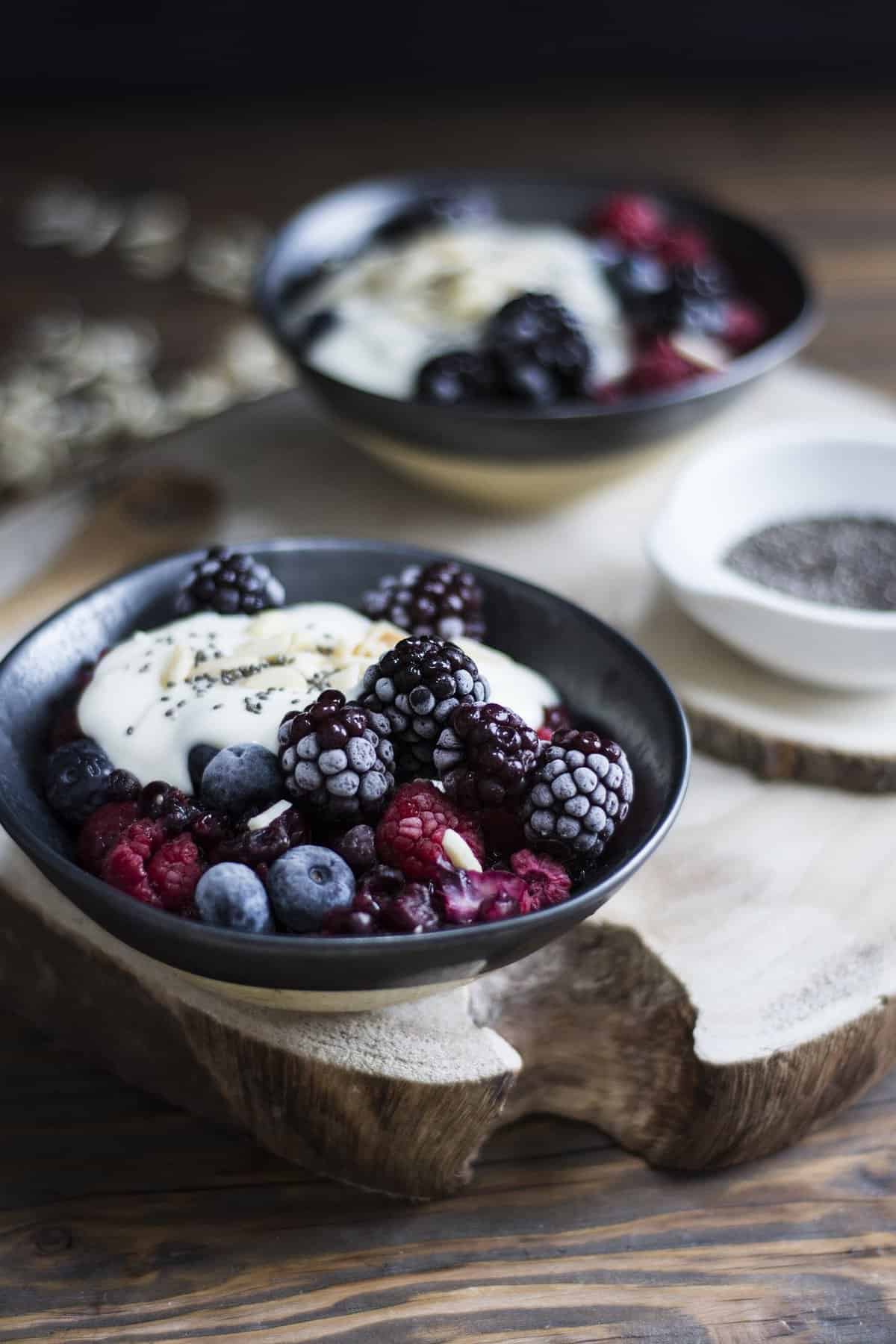
Two breakfast bowls with fruits and seeds atop with spoons.

Veganuary Tips for Success

Veganuary success isn’t about eating perfectly or following rigid rules — it’s about creating a rhythm that feels sustainable, satisfying, and supportive. These tips are designed to help you stay consistent, enjoy the process, and walk away with habits you’ll actually want to keep.

Start Where You Are — Not Where You Think You “Should” Be

One of the biggest mistakes beginners make is trying to overhaul everything at once. Instead:

  • Begin with meals you already enjoy
  • Make small plant-based swaps
  • Build confidence gradually

Progress matters more than perfection. Even a few plant-based meals a week count as participation.

Plan Simple Meals (Complicated = Burnout)

You don’t need gourmet recipes or hard-to-find ingredients. The most successful Veganuary participants rely on:

  • Bowls (grains + veggies + protein)
  • One-pot meals
  • Sheet-pan dinners
  • Simple pastas and soups

Repeating meals is not boring — it’s efficient and stress-reducing.

Keep Your Pantry & Fridge Veganuary-Ready

Having plant-based staples on hand makes choices easier when hunger hits. Stock up on:

  • Canned beans and lentils
  • Rice, pasta, quinoa
  • Frozen vegetables
  • Plant-based milks and oils

When your kitchen supports your goal, consistency follows. See the list of Foods You Should Have on Your Grocery List: the Food Blogger Edition!

Don’t Fear Vegan Substitutes — Use Them Strategically

You don’t have to rely on meat and dairy alternatives, but they can be incredibly helpful — especially early on.

  • Plant-based milks make swapping easy
  • Vegan butter and cheese help recreate comfort foods
  • Meat alternatives can ease social meals or cravings

Think of substitutes as tools, not requirements.

Eat Enough (Under-eating Is a Common Pitfall)

Many Veganuary struggles come from not eating enough — especially protein and fats.
Make sure meals include:

  • A protein source (beans, lentils, tofu, chickpeas)
  • Healthy fats (olive oil, avocado, nuts)
  • Fiber-rich carbs (grains, potatoes, fruit)

When meals are balanced, cravings and fatigue decrease.

Keep Easy Snacks on Hand

Hunger can derail the best intentions. Having quick plant-based snacks available helps you stay consistent:

Snacks are part of success — not something to avoid.

Expect a Learning Curve (That’s Normal)

Veganuary is a learning month. You might:

  • Miss an ingredient on a label
  • Forget to plan a meal
  • Realize you need more protein

That’s not failure — it’s feedback. Each experience helps you learn what works best for you.

Use Inspiration, Not Comparison

Scrolling for inspiration can be motivating — but comparison can be discouraging.
Instead of asking:
“Why doesn’t my food look like that?”
Ask:
“What looks doable for me?”

Choose meals that fit your schedule, budget, and energy level.

Give Yourself Grace & Keep Going

Missed a meal? Ate something non-vegan?
Keep going.

Veganuary isn’t about streaks or perfection — it’s about intention. One choice doesn’t undo the others.

Focus on What You’re Gaining (Not What You’re Giving Up)

The most successful Veganuary participants shift their mindset from restriction to discovery:

  • New flavors
  • New meals
  • New confidence in the kitchen

When curiosity leads, consistency follows.

Veganuary works best when it feels kind, flexible, and nourishing — not strict. Let this be a month of exploration, not pressure.

Pizza on a wood table with slices of pizza on a plate.

Veganuary Mistakes to Avoid

Veganuary is meant to be a learning experience, not a test. Many people struggle not because plant-based eating doesn’t work for them — but because of small, avoidable missteps. Here are the most common Veganuary mistakes (and how to gently course-correct).

Trying to Be Perfect from Day One

One of the biggest Veganuary mistakes is treating it like an all-or-nothing challenge. Perfectionism often leads to burnout or quitting early.

Avoid this by:

  • Allowing room to learn and adjust
  • Focusing on progress over perfection
  • Remembering that every plant-based meal counts

Veganuary is about participation, not perfection.

Under-eating or Skipping Key Nutrients

Many beginners unintentionally eat too little — especially protein and fats — which can lead to fatigue, cravings, and frustration.

Avoid this by building balanced meals with:

  • Plant-based protein (beans, lentils, tofu, chickpeas)
  • Healthy fats (olive oil, avocado, nuts)
  • Filling carbs (grains, potatoes, fruit)

If you feel constantly hungry, your meals likely need more balance — not more restriction.

Relying Only on Salads

Salads can be great, but they shouldn’t be your only option. Eating too many light meals can leave you unsatisfied and craving old habits.

Avoid this by:

  • Prioritizing warm, hearty meals
  • Including soups, pastas, bowls, and stews
  • Choosing comfort foods — just plant-based

Veganuary works best when meals feel satisfying and familiar.

Overcomplicating Meals & Recipes

Trying to cook something new every day — especially with unfamiliar ingredients, can quickly become overwhelming.

Avoid this by:

  • Repeating meals you enjoy
  • Choosing simple, one-pot or one-pan dishes
  • Keeping a small rotation of go-to recipes

Consistency beats variety when you’re building new habits.

Skipping Meal Planning Altogether

Without even a little planning, it’s easy to fall back on convenience foods that don’t support your goal — or skip meals entirely.

Avoid this by:

  • Planning just 3–4 meals per week
  • Keeping freezer and pantry staples stocked
  • Prepping one or two components ahead

You don’t need a full meal plan — just a starting point.

Avoiding Vegan Substitutes Out of Guilt

Some people feel like using dairy-free or meat alternatives is “cheating.” It’s not.

Avoid this by:

  • Using substitutes as transition tools
  • Choosing what helps you stay consistent
  • Letting go of food rules that add pressure

Substitutes can be incredibly helpful — especially early on.

Not Reading Labels (or Reading Them Too Strictly)

At first, labels can feel confusing — or intimidating.

Avoid this by:

  • Learning common non-vegan ingredients gradually
  • Remembering that many foods are accidentally vegan
  • Not stressing over every single detail

Label reading gets easier with time.

Comparing Your Journey to Others

Social media can inspire — but it can also discourage.

Avoid this by:

  • Choosing meals that fit your lifestyle
  • Ignoring aesthetics and focusing on nourishment
  • Remembering that your journey is personal

Veganuary looks different for everyone.

Giving Up After One “Off” Meal

One non-vegan meal does not cancel your efforts.

Avoid this by:

  • Continuing with your next meal
  • Letting go of guilt
  • Refocusing on intention, not mistakes

Veganuary is flexible by design.

Forgetting Why You Started

When motivation dips, it helps to reconnect with your why — whether it’s health, curiosity, sustainability, or compassion.

Avoid this by:

  • Reflecting on what you’ve learned
  • Noticing how your body feels
  • Celebrating small wins

Veganuary isn’t about getting it right — it’s about discovering what works for you. Mistakes aren’t failures; they’re part of the process.

A woman's hand holding chop sticks with plant-based dumplings.

Meal Inspiration for Veganuary

One of the best ways to succeed during Veganuary is to focus on meals that feel familiar, satisfying, and craveable. Plant-based eating doesn’t have to mean bland food or complicated recipes — in fact, the most successful Veganuary meals are often the simplest ones.

Think comfort first. Then build flavor.

Below are easy, flexible meal ideas to help you stay inspired all month long.

Breakfasts That Actually Keep You Full

Breakfast is one of the easiest meals to make vegan — and a great place to build momentum.

Veganuary-friendly breakfast ideas:

Adding healthy fats and protein (like nut butter or seeds) helps prevent mid-morning hunger.

Lunches That Feel Nourishing

Lunches during Veganuary should be easy, portable, and filling enough to power you through the day.

Simple lunch inspiration:

  • Grain bowls with roasted veggies, beans, and sauces
  • Chickpea or lentil salads
  • Wraps with hummus, greens, and roasted vegetables
  • Leftover vegan dinners repurposed for lunch

Batch-cook grains or roasted vegetables once and mix-and-match all week.

Cozy, Comforting Dinners

Dinner is often where people worry they’ll miss meat the most — but it’s also where plant-based cooking can shine.

Comfort-focused vegan dinner ideas:

  • Creamy vegan pastas
  • Hearty soups and stews
  • One-pot rice or lentil dishes
  • Veggie-packed casseroles
  • Warm bowls with grains, greens, and sauces

Prioritize warm, cooked meals — they’re more satisfying and comforting, especially in January.

Veganized Comfort Food Classics

One of the easiest ways to enjoy Veganuary is to veganize meals you already love.

Ideas to try:

  • Dairy-free mac and cheese
  • Plant-based chili
  • Vegan tacos or burrito bowls
  • Creamy mashed potatoes made with plant milk
  • Pasta dishes using cashew or coconut-based sauces

Comfort foods help Veganuary feel indulgent — not restrictive.

Snacks & Sweet Treats

Snacks are part of success, not something to avoid.

Easy vegan snack ideas:

  • Fruit with nut butter
  • Trail mix or nuts
  • Hummus with veggies or crackers
  • Energy bites
  • Dairy-free baked goods

Keeping snacks on hand helps prevent decision fatigue and keeps energy steady.

One-Pot & Meal-Prep Friendly Ideas

If your schedule is busy, simple meals will carry you through Veganuary.

Low-effort meal inspiration:

  • One-pot soups and stews
  • Sheet-pan roasted veggies + protein
  • Big-batch grain bowls
  • Slow-cooker lentil or bean dishes

These meals save time, reduce cleanup, and make consistency easier.

Global Flavors = Built-In Vegan Wins

Many global cuisines naturally lean plant-forward, making them perfect for Veganuary.

Flavor inspiration:

  • Caribbean-inspired bean and rice dishes
  • Mediterranean bowls with hummus and veggies
  • Indian lentil curries
  • Mexican-inspired bean bowls
  • Asian-style noodle and stir-fry dishes

Using spices generously makes plant-based meals exciting and satisfying.

Veganuary meals don’t have to feel like a downgrade — they can be comforting, flavorful, and deeply nourishing. Start with what you love, and let curiosity guide the rest.

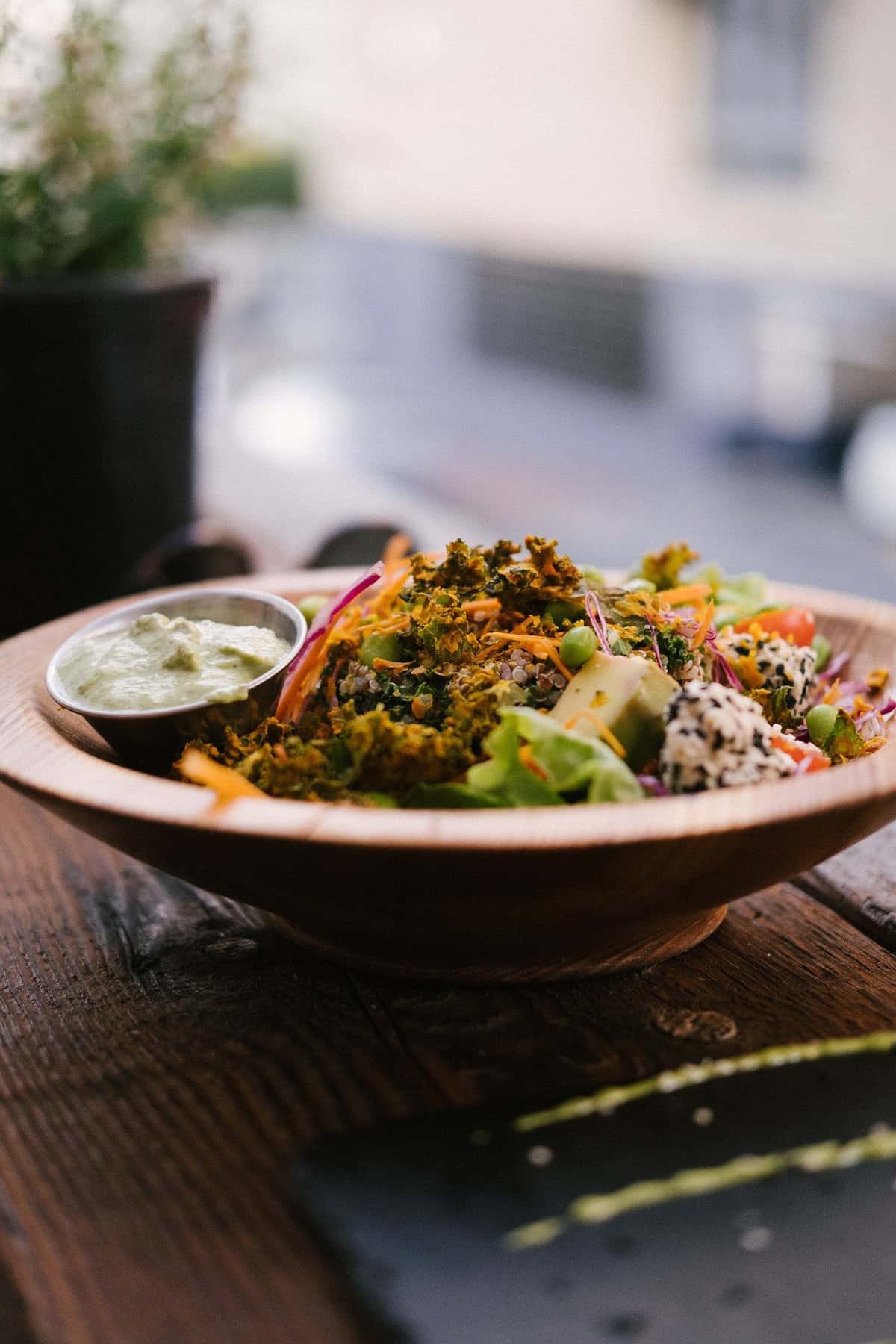
A white low bowl with plant-based foods.

Common Veganuary FAQs

What is Veganuary?


Veganuary is a global initiative that encourages people to try a vegan diet for the month of January. Participants focus on eating plant-based foods for 31 days while learning more about veganism through recipes, tips, and community support from Veganuary.

Veganuary is not about perfection — it’s about exploration, education, and intentional eating.

Is Veganuary good for beginners?


Yes — Veganuary is especially beginner-friendly. Many of the resources are designed for people who have never eaten vegan before.

Beginners are encouraged to:
Start with familiar meals and simple swaps
Take things one meal at a time
Learn gradually without pressure

You don’t need special ingredients or advanced cooking skills to participate.

Do I have to be vegan before joining Veganuary?

Not at all. Most Veganuary participants are not vegan when they start. Many are:
Curious meat-eaters
Flexitarians
People looking to eat healthier in January

Veganuary is designed as an entry point — not a requirement to already “know what you’re doing.”

Do I have to stay vegan after Veganuary ends?

No. Veganuary is a trial month, not a lifetime commitment.

Some people continue eating fully vegan, others adopt a more plant-forward or flexitarian approach, and many simply keep a few favorite recipes and habits they enjoyed.

There’s no “right” outcome — the goal is learning what works for you.

Is Veganuary healthy?


Veganuary can be very healthy when meals are balanced and nourishing.

A well-rounded vegan diet includes:
Fruits and vegetables
Whole grains
Plant-based proteins (beans, lentils, tofu)
Healthy fats (olive oil, nuts, seeds)

Like any way of eating, balance matters more than labels.

What if I accidentally eat something non-vegan?

You’re still participating.

Veganuary is not ruined by one meal or one ingredient. Simply continue with your next plant-based choice and keep going.

Grace > guilt — always.

Is Veganuary expensive?

Veganuary does not have to be expensive.

Budget-friendly vegan staples include:
Rice, pasta, oats
Beans and lentils
Frozen vegetables
Seasonal produce

You don’t need specialty products or meat substitutes to participate successfully.

Can families or kids participate in Veganuary?

Yes. Many families participate together by:
Making vegan dinners a few nights a week
Choosing plant-based breakfasts or lunches
Involving kids in cooking simple meals

Veganuary can be adapted to fit households of all sizes and ages.

What if I don’t like tofu or meat substitutes?

That’s completely okay.

Veganuary doesn’t require tofu, tempeh, or mock meats. Many plant-based meals rely on:
Beans and lentils
Vegetables and grains
Sauces, spices, and comfort-style dishes

You can participate without eating foods you don’t enjoy.

Is Veganuary only about food?

Food is the main focus, but some people also explore vegan lifestyle choices like cruelty-free beauty or household products.

That said, food alone is more than enough. You’re not required to change anything beyond what feels realistic.

How do I know if Veganuary is “working” for me?

Instead of focusing on rules, ask yourself:
How do I feel after eating plant-based meals?
What foods did I enjoy most?
What habits feel sustainable?

Veganuary “works” when it helps you learn more about yourself and your relationship with food.

MADE OUR RECIPE(S)?

If you tried my recipes from Veganuary Made Simple: Beginner Tips, Easy Meals & How Anyone Can Participate or any other recipe on my website, please leave a 🌟 star rating and let me know how you go in the 📝 comments below. And don't forget to tag me @shanikagrahamwhite on Instagram. I love hearing from you!

Xx, Shanika in script writing

Love this Post? SHARE!

LOVE THIS RECIPE?
LET US KNOW!

Your email address will not be published. Required fields are marked *